



Treatment Guided by a Detailed Assessment of Your Eyes
The right eye treatment or vision correction surgery depends on your eye condition, eye health, prescription and visual needs. Dr David Robinson is an ophthalmic surgeon specialising in cataract, corneal and refractive surgery, with more than 28 years of experience. Following a comprehensive eye assessment, he determines whether you are a suitable candidate and recommends the treatment approach most appropriate for your eyes.
Before deciding which treatment or surgery is right for your eyes, it helps to understand how your eyes function and what affects clear vision.
one surgeon
How the Eye Creates Clear Vision
Clear vision depends on light passing through several parts of the eye in the correct sequence. It enters through the cornea, passes through the lens, and reaches the retina at the back of the eye, which converts light into signals that travel through the optic nerve to the brain. A problem at any point along this path changes what you see, and the treatment that helps depends entirely on where that problem is.
The Eye Structures That Affect Your Vision
The cornea does most of the focusing of the light entering the eye. Changes to its shape or clarity can affect vision and may require specialised corneal treatment. Laser vision correction reshapes the cornea to correct optical errors of the eye.
The natural lens contributes to distance vision and fine-tunes focus for reading. Cataracts and age-related changes can reduce vision and may be treated with lens replacement procedures.
The retina detects light, while the macula provides detailed central vision. Conditions affecting these structures require early diagnosis and ongoing management.
The optic nerve carries visual information to the brain. Diseases such as glaucoma can damage the nerve gradually, making regular eye examinations important.
Conditions affecting the conjunctiva, eyelids and tear film can cause irritation, discomfort and sometimes impact vision. Appropriate treatment depends on the underlying cause.
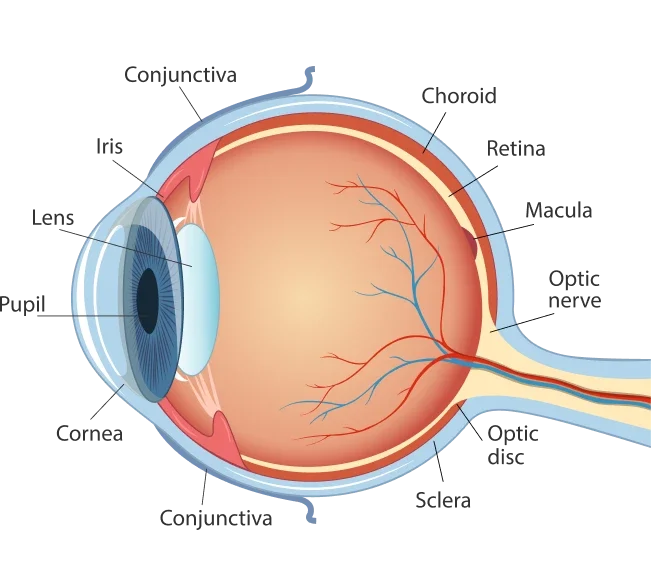
Dr David Robinson provides comprehensive care across a wide range of eye conditions and vision correction procedures.
Every treatment recommendation is based on a detailed consultation to determine the option most appropriate for your diagnosis, eye health and visual needs.

Laser Vision Correction
LASIK and PRK are the two main laser vision correction procedures. Both reshape the cornea to treat short-sightedness, long-sightedness, and astigmatism, but they differ in how they are performed and who they are best suited for. Dr Robinson recommends the most appropriate option after a comprehensive eye assessment.

Lens-based vision correction
Lens-based vision correction includes two main procedures: ICL (Implantable Collamer Lens) and Refractive Lens Exchange (RLE). Both correct vision by inserting the appropriate power lens into the eye rather than reshaping the cornea and may be suitable when laser vision correction is not the most appropriate option.

Cataract Surgery
Cataract surgery removes the clouded natural lens and replaces it with an intraocular (“in the eye”) lens. The power of the intraocular lens is selected to reduce dependence on glasses after surgery.

Corneal Surgery
Corneal Transplantation, Corneal Cross-Linking for Progressive Keratoconus, and Laser Treatment for Corneal Scarring and Post-Transplant Astigmatism address damage, disease and irregularity in the cornea itself. The appropriate procedure depends on the underlying corneal condition.

Pterygium Surgery
Pterygium Excision and Conjunctival Graft removes abnormal tissue growth on the surface of the eye, usually caused by long-term sun exposure.

Eyelid Surgery
Blepharoplasty, or eyelid reduction surgery, can address excess or sagging eyelid tissue that affects appearance and can obstruct sight in the upper visual field.

Macular Degeneration
Macular degeneration affects the macula, the part of the retina responsible for detailed central vision. Diagnosis, regular monitoring, and appropriate treatment, including intravitreal injections where indicated, can help manage certain forms of the condition.

Glaucoma
Medical and laser treatments for glaucoma can help control eye pressure to protect the optic nerve from further damage. Because early glaucoma often has no symptoms, ongoing monitoring is essential.

General Ophthalmology Consultation
Covers Diabetic Eye Disease Screening, Myopia Management, Acute Red Eye Diagnosis and Treatment, Foreign Body Removal, Eyelid Cyst Drainage and Dry Eye Management. An appropriate starting point if you are unsure what is causing your eye symptoms.
Personalised Treatment Begins with a Detailed Eye Assessment
The outcome of treatment depends on choosing the right procedure for your specific eyes, not the most popular one. Dr David Robinson draws on more than 28 years of surgical experience to personally assess your cornea, prescription and overall eye health before recommending any treatment. He explains why the recommendation is appropriate for your eyes, whether you are a suitable candidate, and the outcomes you can realistically expect.

What to Expect During Your Consultation
Every row below is a real procedure count from Dr. Robinson’s surgical log, sized by how often it’s performed.
Diagnosis and Assessment
Discussing Your Vision and Medical History
Your consultation begins with a questionnaire and discussion about your vision concerns, symptoms, medical history and any previous eye treatments or surgery. This helps Dr David Robinson understand your eye health, visual needs and the reason for your visit.
Detailed Eye Examination
A detailed eye examination is performed using diagnostic technology to assess your vision, prescription, cornea, lens, retina and overall eye health. Additional imaging or measurements may be carried out depending on your condition.
Diagnosis and Assessment
The examination findings are reviewed to identify the cause of your symptoms or vision changes. This assessment determines whether treatment is required and which options may be most appropriate for your eyes.
Discussing Your Treatment Options
Dr David Robinson explains your diagnosis and discusses the treatment options available. He will recommend the approach best suited to your eye condition, visual requirements and long-term eye health.
Planning Your Care
If treatment or surgery is recommended, you will receive information about the procedure, expected outcomes, recovery and potential risks. You will have the opportunity to ask questions before deciding how you would like to proceed.
What Patients Say
“Dr. Robinson’s attention to detail is exceptional. From the first consultation to recovery, I felt confident in his experience and care.”

“The recovery was smoother than I expected. Dr. Robinson explained every step clearly, and the results have been life-changing.”

“I appreciated the time Dr. Robinson took to explain the options and risks. The outcome exceeded my expectations.”

Why Patients Trust Dr David Robinson
A Considered, Individual Approach to Every Assessment
- More than 28 years of ophthalmic surgical experience
- Fellowship-trained in corneal surgery in Australia and overseas
- Thorough diagnostic assessment before treatment is recommended
- Advanced diagnostic technology for accurate diagnosis and treatment planning
- Clear communication to support informed treatment decisions
- Evidence-based care using established surgical techniques and current clinical practice
- More than 8,000 laser vision and cataract procedures performed
- Personalised treatment plans based on your individual eye health
- Expertise in cataract, corneal and refractive surgery
- Care provided directly by Dr David Robinson from consultation through follow-up
- Experience managing both routine and complex eye conditions
Ready to Make an Informed Decision About Your Vision?
Whether you are experiencing changes in your vision or considering eye surgery, a thorough assessment can identify the underlying cause of your symptoms and help determine the treatment options most appropriate for your eyes. Dr David Robinson will guide you through each stage of the process, helping you make informed decisions about your eye care.